Dueling bills introduced on paid family leave law

By Rachel La Corte, AP

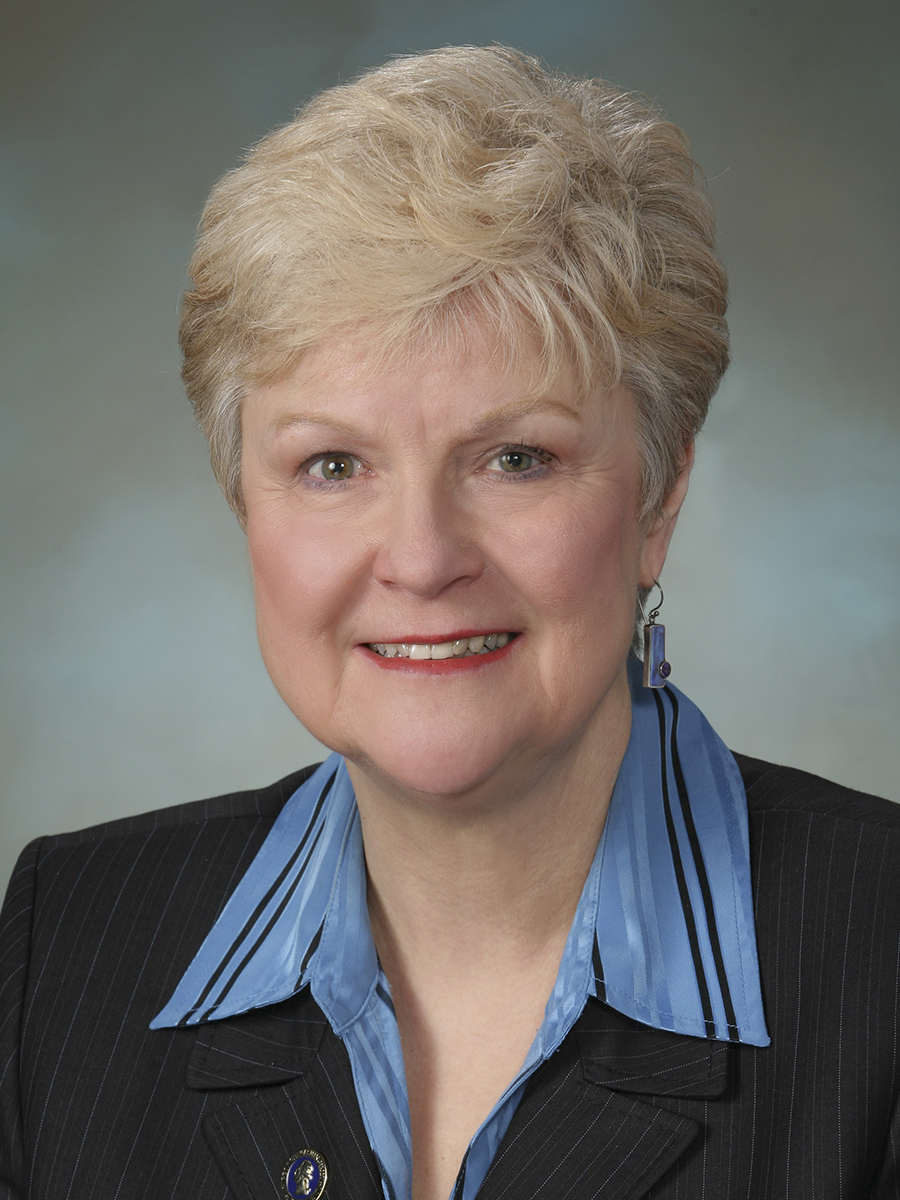
Senator Karen Keiser sponsored SB 5952 to expand and implement Paid Family and Medical Leave Insurance
Senator Karen Keiser sponsored SB 5292 to expand and implement Paid Family and Medical Leave Insurance

OLYMPIA, Wash. (AP) — Six years ago, Washington state lawmakers approved a program giving parents five weeks of paid time off to be with a new child.

But the question of how to pay for the program was never answered, and now some lawmakers are looking to remove it from the books, while the senator who introduced the bill is looking to expand the program. Its start already has been delayed until 2015.

The bill, passed with much fanfare in 2007, was supposed to start paying benefits of up to $250 a week starting in October 2009. But without an agreed-upon funding source, the Legislature has postponed its implementation twice.

“It may have seemed like a good idea, but we don’t have the money to do it,” said Sen. John Braun, R-Centralia, who is sponsoring the measure to repeal the law. “We need to face the reality and deal with it.”

Sen. Karen Keiser, a Democrat from Kent who sponsored the initial bill, decried any effort to repeal the law.

“It’s an appalling move at a time when middleclass families are having a hard time making things work,” she said. “We’re getting steady again in our economy. It’s time to look forward.”

Keiser on Thursday introduced her own bill to expand the underlying measure to include caring for a family member or an employee’s own disability. Her bill would pay two-thirds of a worker’s pay a week, up to $1,000 a week, and would expand the time allowed from five weeks to 12 weeks. The program would be paid for with a .01 percent payroll tax on both employees and employers starting in 2014, and benefits would start in October 2015.

Keiser said she based her new measure on laws in California and New Jersey.

“I am not backing off and not going to give up this endeavor that working families have some economic security if they have a family crisis, a new baby or a disability,” she said. “Working families deserve that.”

Rep. Tami Green, D-Tacoma, said she’ll be introducing a companion bill in the House in the coming days.

“This is one of those bills where we’re all in this together,” she said. “We’re all going to benefit from this.”

Braun’s bill has 10 co-sponsors, including two Democrats who have joined with Republicans to form a new coalition this legislative session. The measure has its first public hearing Monday. Braun called Keiser’s counter-bill one of “good intentions, but good intentions aren’t always affordable.”

“We already have a program on the books that we can’t fund,” he said. “Expanding it seems contrary to public interests.”

Senate Majority Leader Rodney Tom, D-Medina, voted in favor of the paid family leave law when he was in the House, but he is now signed on to Braun’s repeal bill. He said some companies already are moving in the direction of paid family leave, but that taxpayers and businesses wouldn’t support a tax increase for a statewide program.

“It’s not realistic,” he said.

Sen. Janea Holmquist Newbry, R-Moses Lake, called the underlying law an “empty promise.”

“Instead of continually suspending it and dangling it out there and kicking the can down the road, I think the more logical and responsible thing to do is to remove it off the books,” said Holmquist Newbry, who is chairwoman of the Commerce and Labor Committee, where Braun’s bill will receive a hearing.

Holmquist Newbry said she didn’t know if she would give Keiser’s bill a hearing.

“If we can’t fund something that’s been on the books for biennia now, why you would even attempt to expand something is beyond my logic,” she said.

Democratic Gov. Jay Inslee does not support repealing the law, said spokesman David Postman.

“Gov. Inslee believes in the goals of the family medical leave act and the help it can give to working families in Washington,” Postman said, but cautioned that while the governor wants the law to remain on the books, “everyone should recognize that the state does not currently have the funds to properly implement it.”

Postman said that Inslee has not seen Keiser’s bill and could not comment on it.

A repeal of the state paid-leave law would have no impact on federal leave laws. Under federal law, paid leave is not required, but businesses with 50 or more employees must give workers up to 12 weeks of medical leave per year for themselves or to take care of a new child or ailing relative.

The state law requires the paid leave be taken concurrently with the federal leave.

___

The measure to repeal paid family leave is Senate Bill 5159. The measure to expand it is Senate Bill 5292.

WA Senate conservatives introduce bill to repeal protections for parents, newborns

Senate Majority Leader Rodney Tom is sponsoring legislation to repeal paid maternity leave.
WA Senate Majority Leader Rodney Tom is sponsoring legislation to repeal paid maternity leave

State Senate Republicans – joined by conservative Democrats Rodney Tom and Tim Sheldon – are working to repeal Washington’s landmark Family and Medical Leave Insurance (FMLI) Act, passed in 2007 to ensure working moms and dads up to five weeks of partially paid leave to care for a newborn or newly adopted child.

Over half of new mothers in the U.S. have no paid leave at all for childbirth – no paid sick time, no vacation, no disability, no maternity leave – according to the U.S. Census Bureau. FMLI is designed to bridge the gap for families who qualify for unpaid leave under federal law, but can’t afford to take the time off without pay. Originally scheduled to begin in October 2009, current law would provide a benefit of up to $250 a week will to moms and dads taking family leave for up to five weeks, starting in October 2015.

Repealing paid family leave will force more moms and to go back to work well before medical professionals advise – limiting breastfeeding, making it harder to get immunizations, and reducing bonding time. Paid family leave has been shown to reduce infant mortality by 20%. Unpaid family leave doesn’t show the same benefit.

Repealing paid family leave will also increase the odds that more of our state’s working moms and dads will fall into poverty due to the birth of a child, and have to rely on the state for help. Research from Columbia University shows that 25% of all poverty spells in America begin with the birth of a new child. In states with paid family leave benefits, just 10% of new moms went on public assistance, compared to 24% in states without those programs. Women who returned to work after taking paid leave were 40% less likely to receive food stamps. They’re also 54% more likely to report wage increases than women who did not take paid leave.

State senators should be working to strengthen families – not taking on an anti-worker, anti-family agenda that rolls back a common-sense protection for working parents and their newborns.

That’s why the Washington Work and Family Coalition is working to strengthen protections for new moms, dads and all working people, via two new bills: one to make Family and Medical Leave Insurance available to all Washington workers, and another to ensure everyone can earn paid sick days on the job.

Will you send an email to your legislator urging them to show their support for paid family leave and paid sick days, and thank those who already are? You can check to see who is already supporting the bills (FMLI is SB 5292, and Paid Sick Days is HB 1313). Find your legislator here!

10 years and counting: Paid family leave helping California families stay strong and secure

Photo: public good via Flickr Creative Commons

Ten years ago, California’s Paid Family Leave filled a crucial gap in federal legislation by establishing an insurance program that provides workers up to six weeks of paid leave to care for a new child or a seriously ill family member.

Under the federal Family and Medical Leave Act (FMLA) of 1993, workers have access to up to 12 weeks of job-protected leave to address a serious illness for oneself or one’s family member. However, this leave is unpaid, making family leave out-of-reach for many workers.

Paid family leave has had wide-ranging benefits for California families, workers, and businesses, including:

ca-pfl-brief-thumb
Ten Years of the California Paid Family Leave Program: Strengthening Commitment to Work, Affirming Commitment to Family [PDF]
  • Family well-being: Mothers who took leave under the PFL program reported breastfeeding for longer periods,3 which has important health benefits for children and mothers.
  • Economic security: Paid family leave allows workers to take much-needed leave without sacrificing their full pay.
  • Equal opportunity: Because paid family leave is a statutory right, it equalizes access to paid leave across occupations and income levels, rather than making workers dependent on their employer for it.
  • Better business practices: Paid family leave reduces workforce turnover and the costs associated with it.

To date, over one million workers have taken advantage of the program – and an overwhelming majority of claims filed were for bonding with a new child. In 2012, the average weekly benefit was $497 with an average of 5.35 weeks per claim.

Other states have since passed legislation to make it easier for workers to take time off from work to care for family. In 2008, New Jersey followed California’s model and became the second state in the U.S. to make paid family leave available to all workers.

California can still improve the accessibility and affordability of paid family leave by funding outreach and education regarding rights to leave under PFL; assuring job-protection during leave periods; and improving wage replacement levels.

Excerpted from: Ten Years of the California Paid Family Leave Program: Strengthening Commitment to Work, Affirming Commitment to Family [PDF]