 No one should be forced to go to work sick. No one should be forced to stay at work when they have a sick child waiting miserably at school.
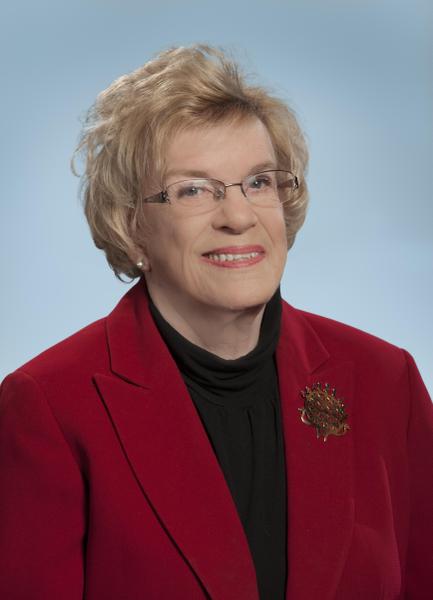
Tacoma Mayor Marilyn Strickland unveiled a paid sick and safe leave proposal to City Council last Tuesday. She pushed back against dissenters on the Council who wanted to delay, saying she didn’t need a formal study to know that her constituents needed paid sick leave.
That’s great news for the 40,000 or so workers in Tacoma who don’t get a single paid sick day now, and the many more who face penalties for using the leave they’ve earned. If Tacoma adopts a paid sick leave standard, it will join a rapidly growing list of nearly 20 cities across the U.S.
Unfortunately, if Tacoma’s City Council sticks with Strickland’s initial proposal, thousands of workers will still be forced to go to work sick, and it would be the most watered-down municipal sick leave law in the country.
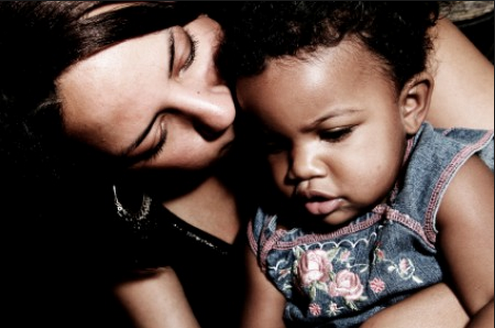
The Mayor’s plan would allow workers to use only three days of paid sick leave per year. That means working moms could not use their precious hours when they had the flu themselves. They’d have to save their leave for the inevitable times when their child came down with a fever. Kids from lower income families – already facing a host of challenges in achieving their full potential – would continue to suffer the most.
In 2013, 64% of Tacoma school kids qualified for free or reduced price lunch. According to national studies, the working parents of two thirds of those kids probably have no paid sick leave now. With only 3 days of sick leave, those working parents would continue to have to make tough choices, and their children would continue paying the price. Send a sick child to school or be short on rent? Stay home with a contagious virus or buy groceries?
The Mayor justifies a 3-day limit by claiming that’s the average used by workers in San Francisco, where a sick leave law has been in place since 2007. But that average includes workers who take no sick leave some years, and a week or more in others. The flu is contagious for seven days or more, according to the CDC. So is Norovirus, which most of us know as stomach flu, and is frequently spread by sick restaurant workers.
Under Strickland’s plan, workers on the front lines of public health in hospitals, groceries, and restaurants would also be forced to continue coming in sick, or lose family income and very possibly their jobs.
The Mayor’s draft bill would allow hospitals to continue the practice of assigning punitive attendance points for every day missed, regardless of cause or the number of sick days the employee had earned. So a nurse who stays home with the flu until she is no longer likely to infect vulnerable patients could find herself fired.
The draft bill also fails to immediately cover workers who have union contracts, including many nurses and grocery workers, who now have to be out two days without pay before their sick leave kicks in. And it allows restaurant owners to take away sick time employees earn without paying them, if the worker swaps a shift.
To actually protect public health and family economic security, Tacoma needs a stronger law. Workers should be able to earn and use up to seven days of sick leave each year, and carry forward unused leave so they don’t have to start over accruing each January just as flu season is peaking. All workers need protections, including those who work in restaurants, with union contracts, or for employers who punish workers for staying home when sick.
Mayor Strickland is right. Her constituents need a sick leave law – but not the weakest one in the nation. The cities that already have laws find their businesses are continuing to prosper, since there’s less spread of disease and higher productivity in the workplace, and customers have a little more cash in their pockets.
The Healthy Tacoma coalition is leading the charge for a law strong enough to protect family and public health. Find out how to weigh in yourself at Healthy Tacoma or on Facebook.
Via the Economic Opportunity Institute

 Washington Work and Family Coalition