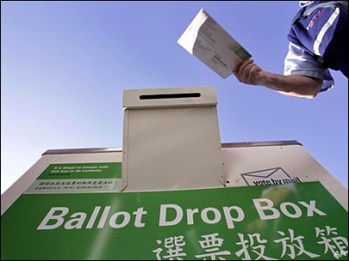
 You got your ballot in the mail. Now what? Vote! Our votes up and down the ballot will help shape our state and nation for decades into the future. Among the many important issues and candidates, Initiative 1433 and the Sound Transit measure allow us to directly boost economic opportunity and vitality in our communities.
Growing income inequality is harming our families and undermining our democracy. In the 1980s, President Reagan and Congress launched a cycle of tax cuts on the wealthy and disinvestment in infrastructure, education, and other basic services that assaulted economic security for millions of working families and still limit our vision of what we can achieve together.
The policies of austerity have allowed the rich to grow fantastically wealthy, while the majority of households struggle, and opportunities for young people remain hemmed in by race, gender, and circumstances of birth.
Initiative 1433 will raise the statewide minimum wage in four steps, beginning with $11.00 in 2017, up to $13.50 in 2020, followed by cost of living adjustments. Washington’s current minimum wage of $9.47 isn’t enough for even a single person to cover the basics in most parts of the state. Over 90% of the lowest wage workers are adults, many with children and families to support.
Without I-1433, minimum wage outside Seattle will rise only 6 cents in 2017 based on general inflation. But rent and other necessities are skyrocketing in communities large and small around the state.
I-1433 also assures every worker in Washington has the opportunity to earn a few days paid sick leave. Seattle, Tacoma, and Spokane have adopted local sick leave laws, but still 1 million peopleworking in Washington – including across south King County – don’t get a single day of sick leave now.
Many of them work in lower wage jobs in restaurants, retail, and caregiving. That means when they have the flu, their child is sick, or their elderly parent has to go to the doctor, they make a choice – sacrifice family and public health or lose that day’s pay, and maybe their job.
Naysayers like to wring their hands and cry job loss every time stronger labor standards are proposed. But their dire predictions just don’t come true. In fact, the past two decades of experienceshow that raising the minimum wage increases incomes for low wage workers and decreases costly turnover. That means working families spend more and businesses spend less on hiring and training new workers.
The family economic stability that results from higher wages and access to sick leave means kids will be healthier and do better in school and in later life. Our whole community benefits from this common sense policy.
Investing in transportation infrastructure also has multiple immediate and lasting benefits. It creates good jobs now, helps grow the middle class, and stimulates economic growth across business sectors. Expanding public transit allows people of all income levels access to a broader range of jobs and schooling.
It reduces pressure on highways so that goods and people who do rely on them move more efficiently, wasting less time and fuel. It’s one of the absolutely necessary investments we need to make to slow and mitigate climate change, which hits low-income families and communities of color the hardest.
Our votes for state legislature and the whole long list of other candidates right on up to President matter, too, in determining the kind of society we will be and the shape of the world we will leave our children and grandchildren. It’s a long ballot, but our mail-in voting system means we can vote in the comfort of our homes, taking the time to consult the voters’ guide, check out endorsements, and do some research on the issues we don’t understand. Don’t wait until November 8 to get started!
Original: South Seattle Emerald »
 Washington Work and Family Coalition